
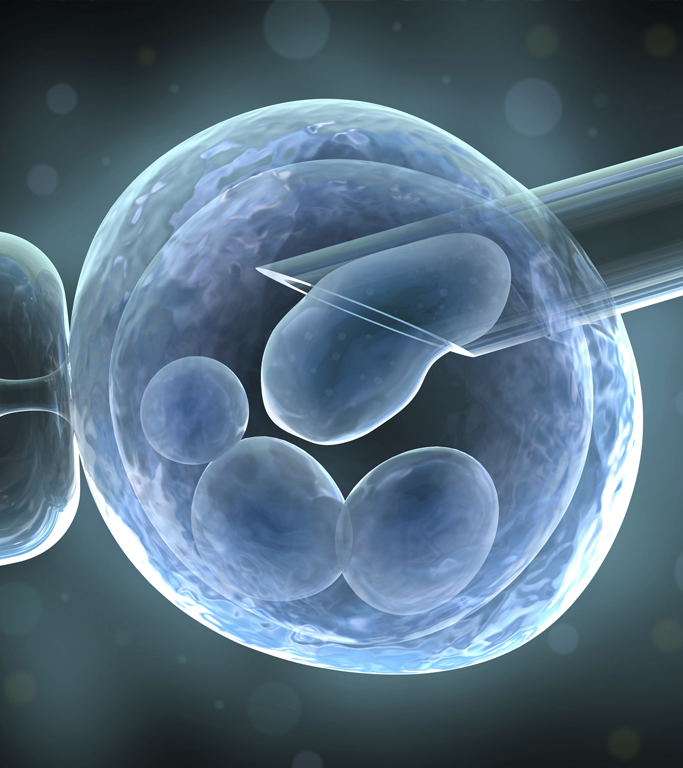
Preimplantation genetic diagnosis (PGD) and preimplantation genetic screening (PGS) are two procedures that can be used to screen for genetic abnormalities in embryos.
PGD involves testing for specific genetic conditions that are known to run in the family. PGS, on the other hand, is a screening test that looks for a wide range of genetic abnormalities.
These procedures can screen for various genetic conditions, including Down syndrome, cystic fibrosis, and sickle cell anaemia. PGD and PGS are typically performed before in vitro fertilization (IVF) and can help to ensure that only healthy embryos are implanted into the uterus. These techniques can be used to screen for a wide range of conditions, including chromosomal abnormalities, genetic disorders, and single-gene defects.
To know more, get in touch with our fertility experts today!
Schedule Appointment
Highly effective medical treatment for couples who can't conceive naturally.

Minimally interventional procedure for processed sperm transfer into uterus.

An advanced cryopreservation service that extends and preserves fertility for future family planning.

An advanced IVF technique that creates a tiny opening in the embryo's outer shell to improve pregnancy chances.

Procedure of growing a fertilized embryo for 5-6 days following an egg and sperm fusion through in IVF or ICSI

A medical process where a surrogate carries and delivers a baby on behalf of the intended parents.

A minimally invasive procedure to retrieve sperm from the epididymis in men with obstructive azoospermia.

Advanced microsurgical sperm retrieval procedure from the epididymis in azoospermic men.

 Nandi Reviews